elestio/bytebase
Bytebase, verified and packaged by Elestio
10K+
elestio/bytebase repository overview



Bytebase, verified and packaged by Elestio
Bytebase is a self-hosted, database-less note-taking web app that utilises a flat folder of markdown files for storage.
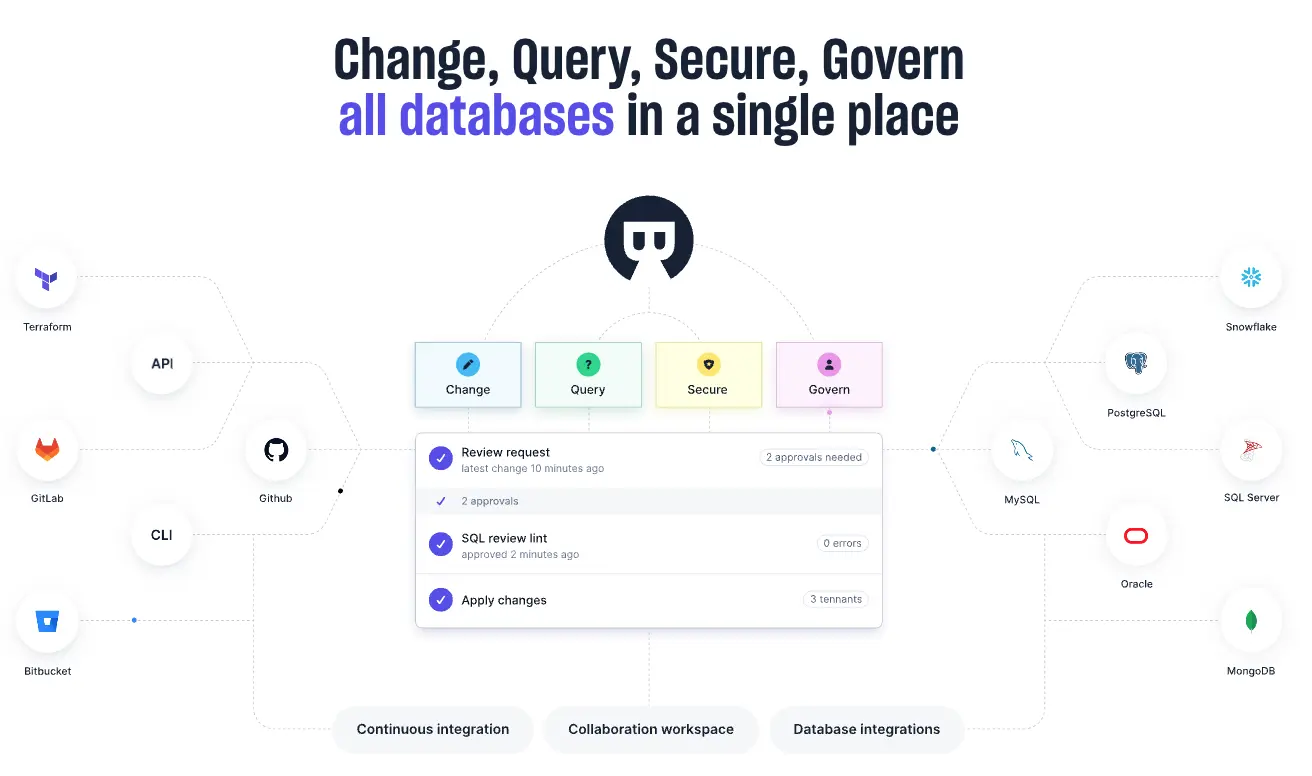
Deploy a fully managed Bytebase on elest.io if you want automated backups, reverse proxy with SSL termination, firewall, automated OS & Software updates, and a team of Linux experts and open source enthusiasts to ensure your services are always safe, and functional.

Why use Elestio images?
- Elestio stays in sync with updates from the original source and quickly releases new versions of this image through our automated processes.
- Elestio images provide timely access to the most recent bug fixes and features.
- Our team performs quality control checks to ensure the products we release meet our high standards.
Usage
Docker-compose
Here are some example snippets to help you get started creating a container.
version: "3.3"
services:
  bytebase:
    image: elestio/bytebase:${SOFTWARE_VERSION_TAG}
    init: true
    container_name: bytebase
    restart: always
    ports:
      - "172.17.0.1:8458:5678"
    volumes:
      - ~/.bytebase/data:/var/opt/bytebase
    command: ["--data", "/var/opt/bytebase","--external-url","https://${DOMAIN}", "--port", "5678"]

  employee-prod:
    image: bytebase/sample-database:mysql-employee-small
    ports:
      -  172.17.0.1:3406:3306

  employee-test:
    image: bytebase/sample-database:mysql-employee-small
    ports:
      -  172.17.0.1:3407:3306
Environment variables
| Variable | Value (example) |
|---|---|
| SOFTWARE_VERSION_TAG | latest |
| DOMAIN | your.domain.com |
Access
You can access the Web UI at: http://your-domain:8458
Maintenance
Logging
The Elestio Bytebase Docker image sends the container logs to stdout. To view the logs, you can use the following command:
docker-compose logs -f
To stop the stack you can use the following command:
docker-compose down
Backup and Restore with Docker Compose
To make backup and restore operations easier, we are using folder volume mounts. You can simply stop your stack with docker-compose down, then backup all the files and subfolders in the folder near the docker-compose.yml file.
Creating a ZIP Archive For example, if you want to create a ZIP archive, navigate to the folder where you have your docker-compose.yml file and use this command:
zip -r myarchive.zip .
Restoring from ZIP Archive To restore from a ZIP archive, unzip the archive into the original folder using the following command:
unzip myarchive.zip -d /path/to/original/folder
Starting Your Stack Once your backup is complete, you can start your stack again with the following command:
docker-compose up -d
That's it! With these simple steps, you can easily backup and restore your data volumes using Docker Compose.
Links
Tag summary
Content type
Image
Digest
sha256:c34a1822f…
Size
349.3 MB
Last updated
over 1 year ago
docker pull elestio/bytebaseThis week's pulls
Pulls:
162
Last week